The Genji Monogatari Emaki as a Masterpiece(Tale of Genji illustrated handscroll )
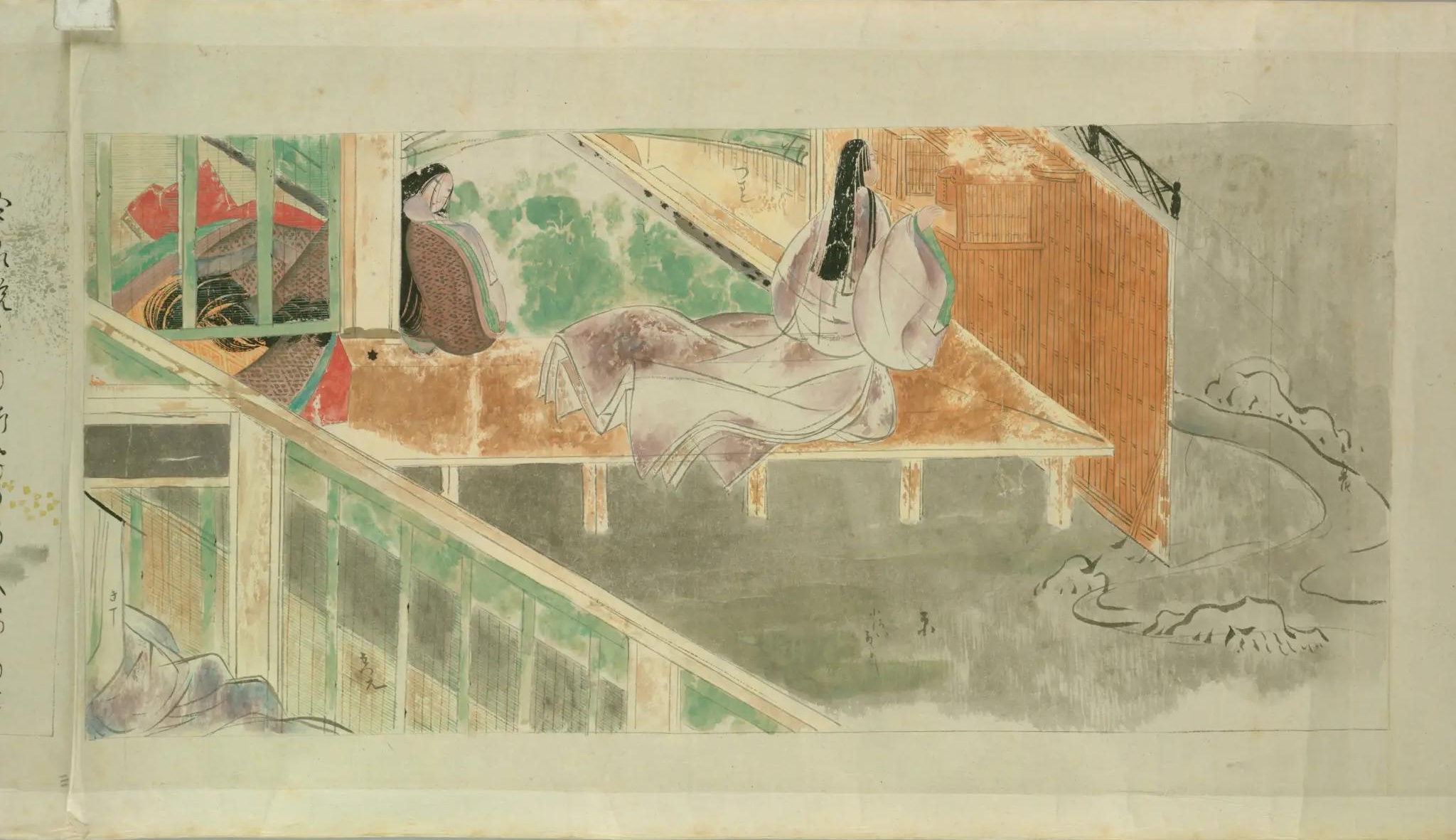
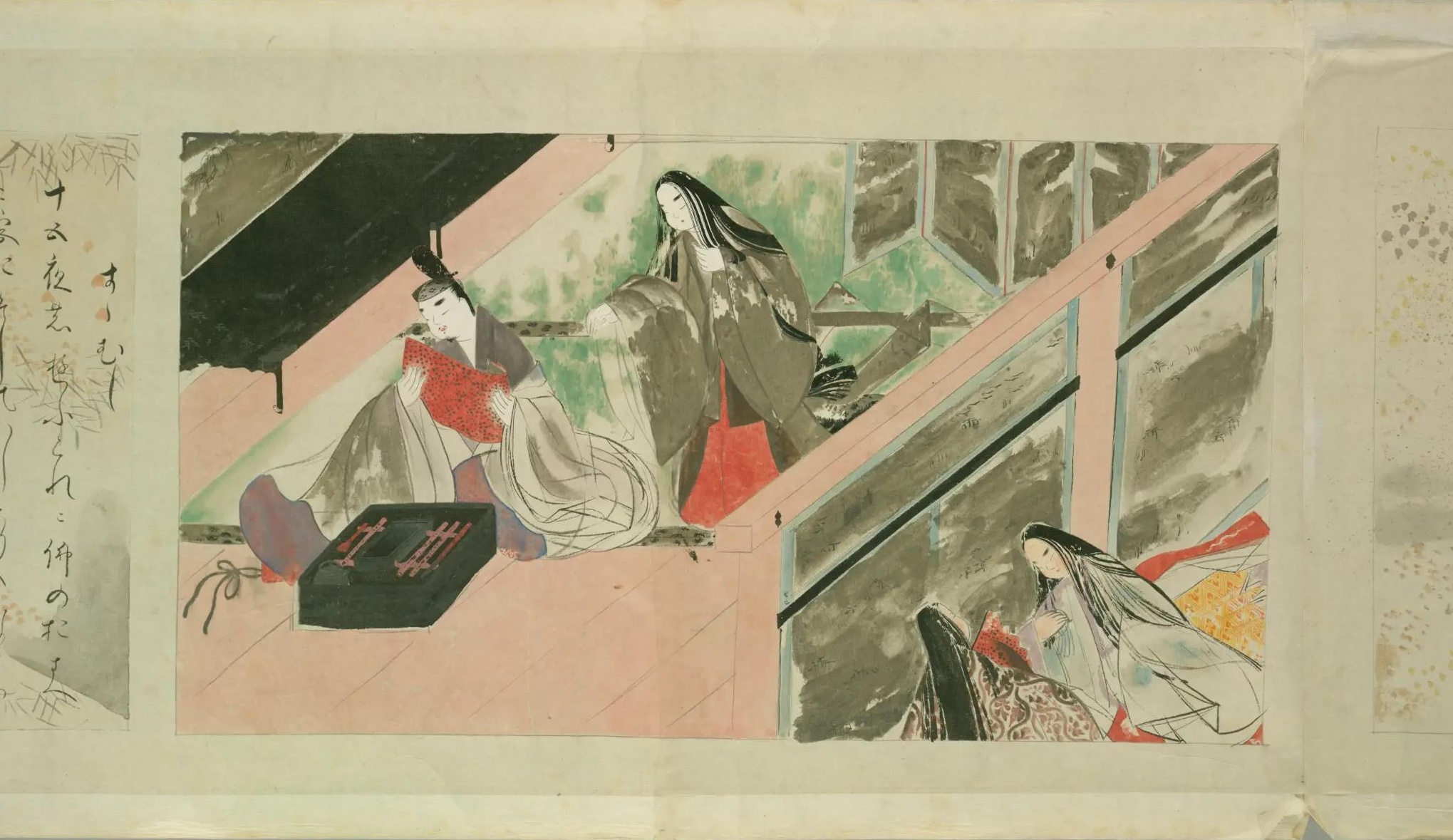
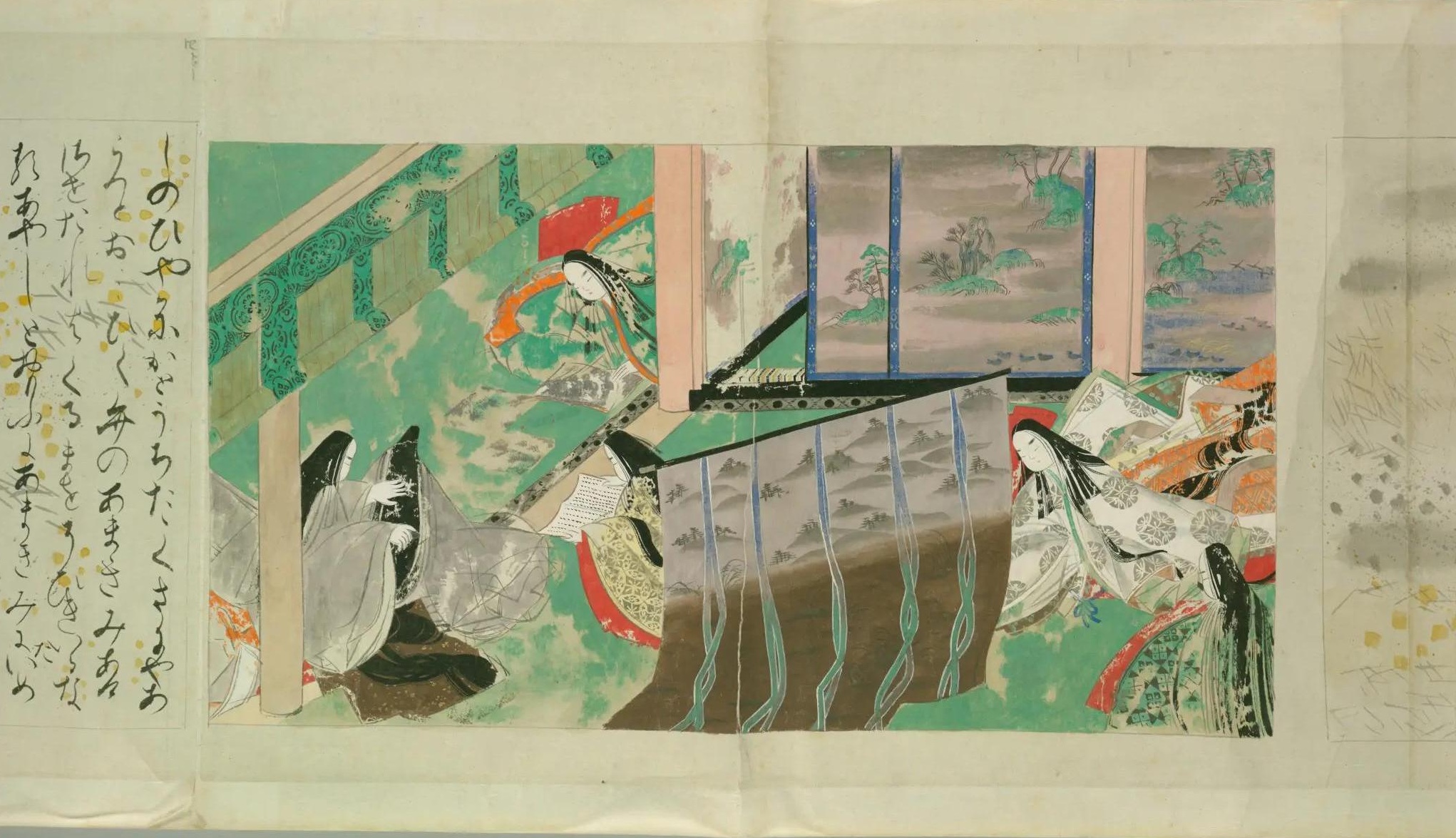
This website showcases numerous artworks related to The Tale of Genji. Among them, the Tale of Genji handscrolls (Genji Monogatari Emaki) stand out as the definitive original and the ultimate masterpiece. Designated as a National Treasure of Japan, the work is sometimes referred to as the "National Treasure Tale of Genji Handscrolls" to distinguish it from other similar scrolls. It is also sometimes called "Takayoshi Genji," named after the artist traditionally attributed with its creation. In this article, however, we will simply refer to it as the "Emaki."
This "emaki" was created during the late Heian period (circa 1119–1150). It is the oldest surviving handscroll based on "The Tale of Genji". Most works produced subsequently took this scroll as their model; consequently, many "Genji" paintings share similar compositions. Yet, that rarely rival the original. If the original can be likened to the Baroque style, then the later imitations are Rococo: compact, graceful, and neatly composed, but lacking the original's dynamism.
To you, Japanese paintings might all look alike—featuring flat backgrounds that lack perspective and shading, and faces that are nondescript and expressionless. However, if you look closely at "Emaki", you will discover a kind of drama distinct from that found in Western painting.
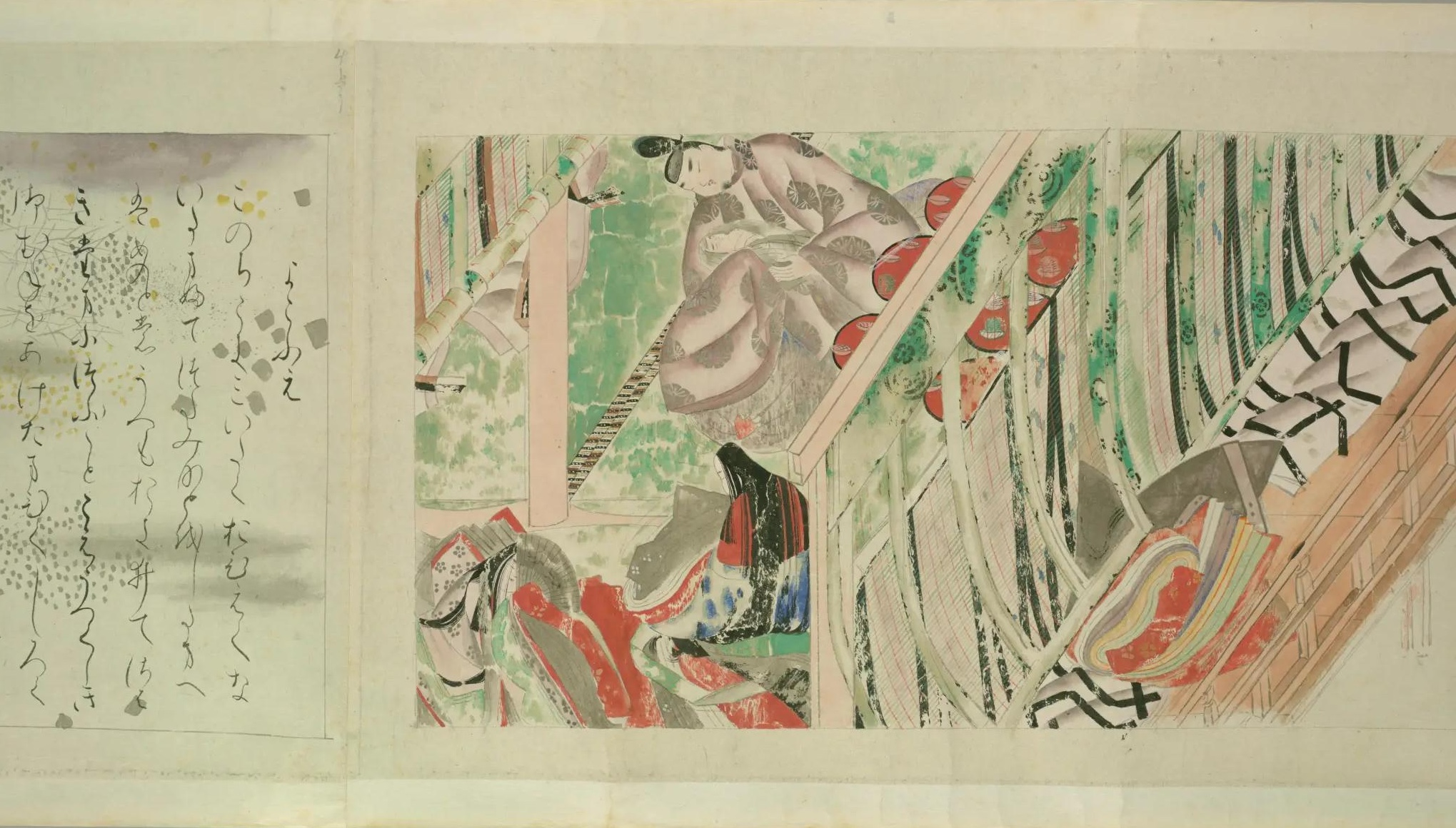
A scene from Chapter 36. As Genji leans his face close to the infant Kaoru, he is filled with a sense of trepidation regarding fate and compassion for a son with whom he shares no blood ties.
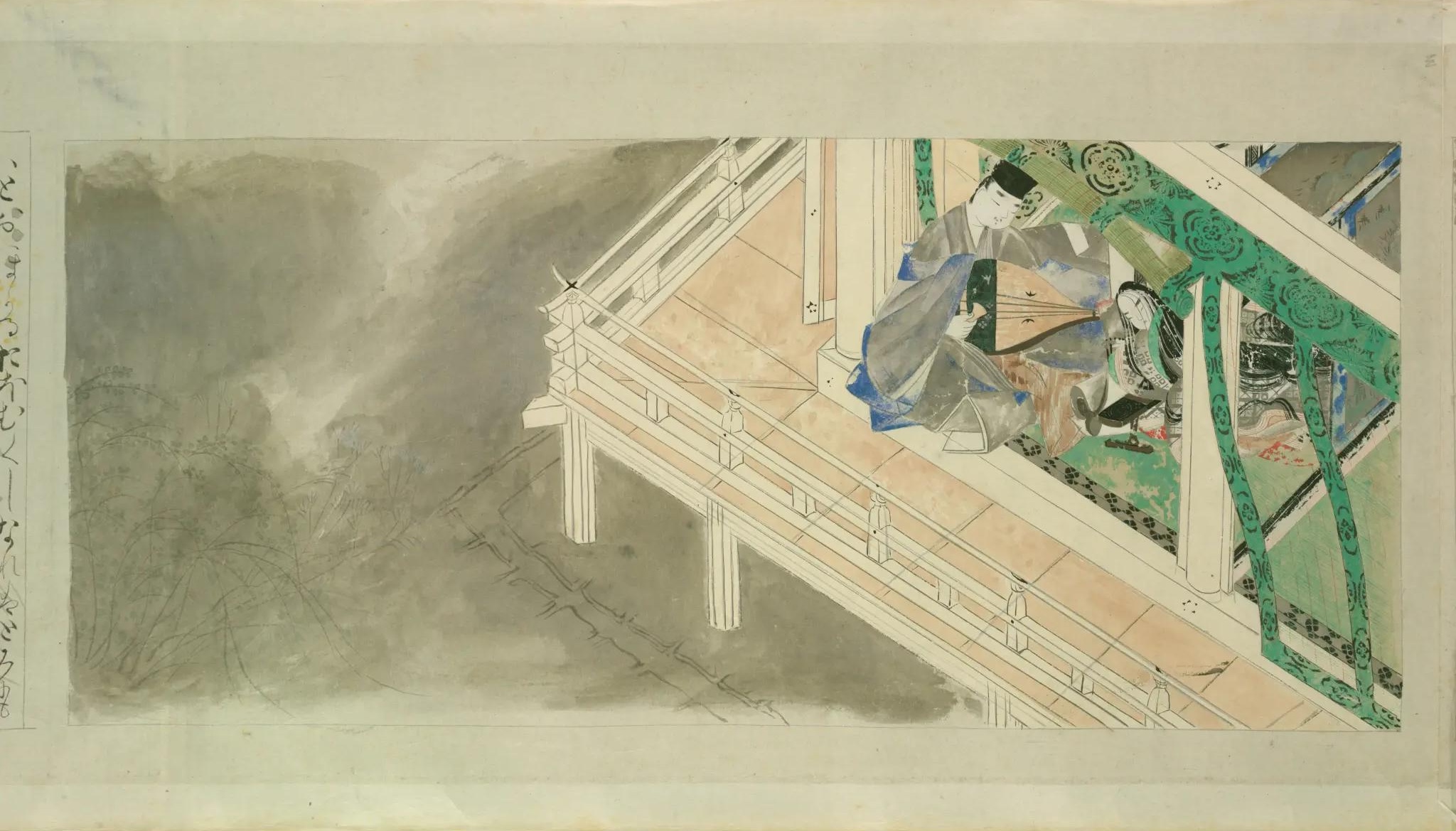
A scene from Chapter 49. Niou plays the biwa, and Kozeri listens. An indescribable air of melancholy and languor hangs in the atmosphere. Neither of them knows what the future holds.
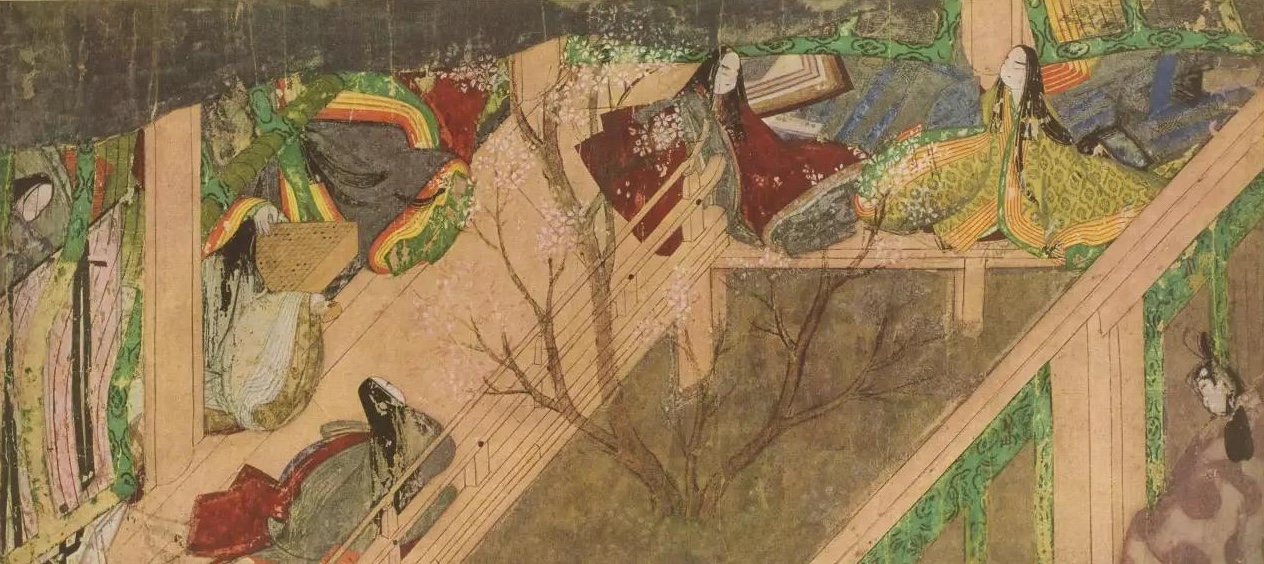
"The Tale of Genji" contains several scenes in which a man catches a glimpse of a woman over a garden fence—moments where the shock of love mingles with the illicit thrill of voyeurism. In later eras, this composition of "kaimami(垣間見)" became a staple of Genji-themed paintings.
The Fragmented Handscroll and Its Owner
Precisely because the "emaki" was such a magnificent work, it suffered many tribulations. Collectors in later ages cut the handscroll apart to own pieces of it (!). Some fragments were lost forever, while the remaining extant fragments are now held by various museums.
Tokugawa Art Museum
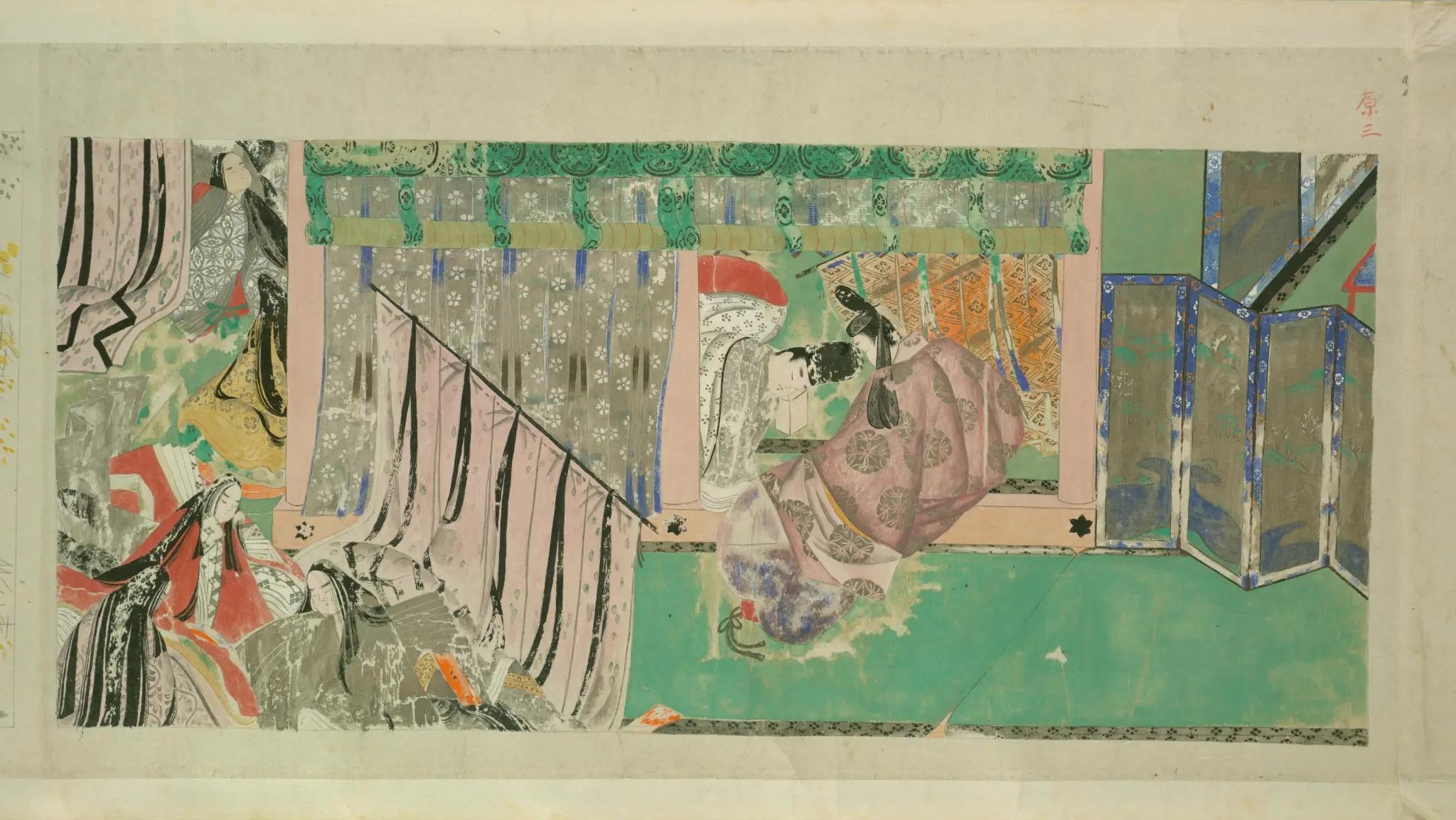
Most of the picture scroll sections are held by the Tokugawa Art Museum. This museum manages the collection of the Tokugawa family, the shogunate that ruled during the Edo period.
They are keeping chapters 15, 16, 17, 36, 44, 45, 48, 49, and 50.
Gotoh Museum
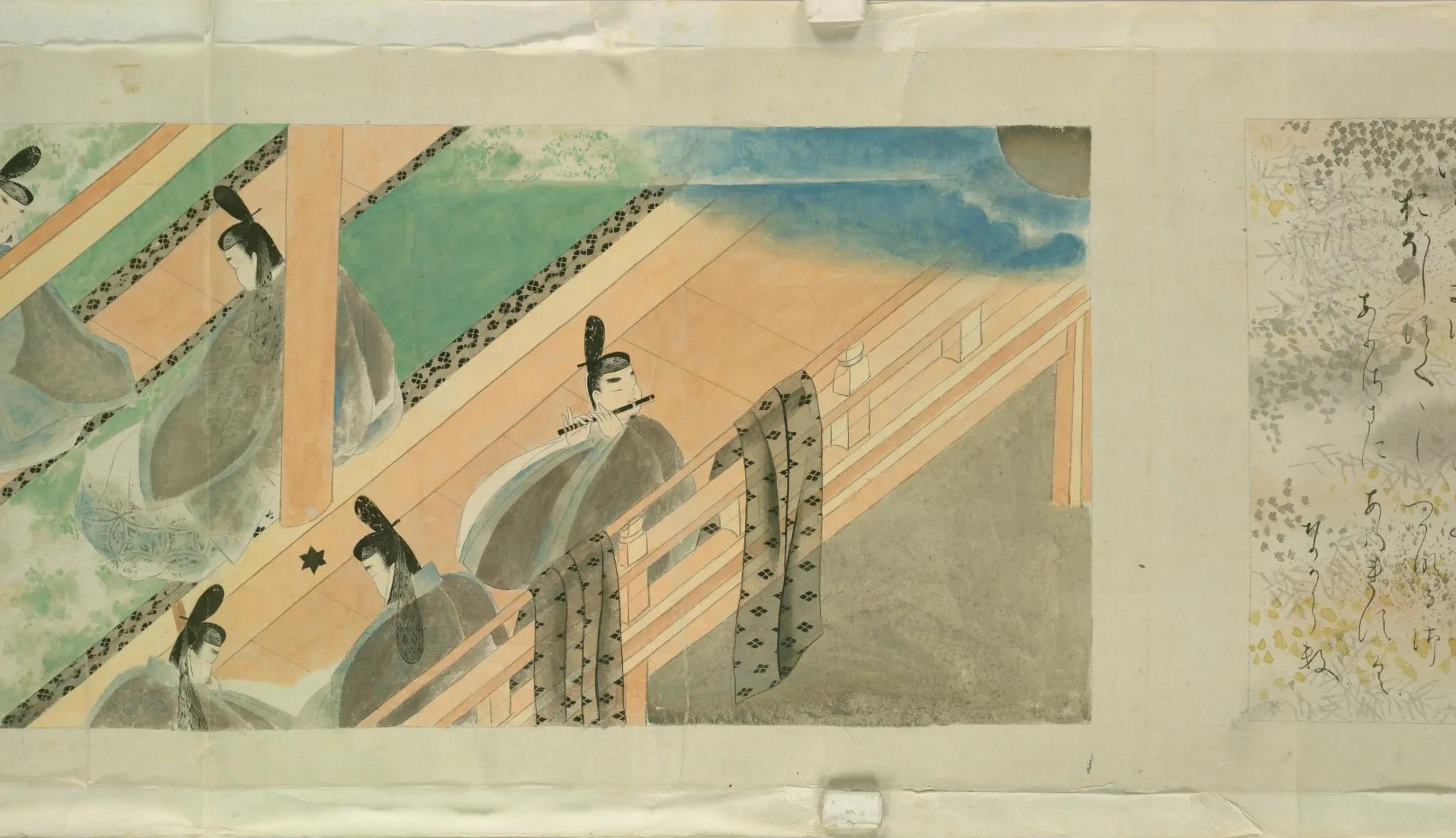
The Gotoh Museum holds the next largest collection of "emaki". The museum houses the collection of Keita Gotoh, a railway tycoon of modern Japan; the "emaki" were also part of his collection.
They are keeping chapters 38, 39, and 40
Tokyo National Museum
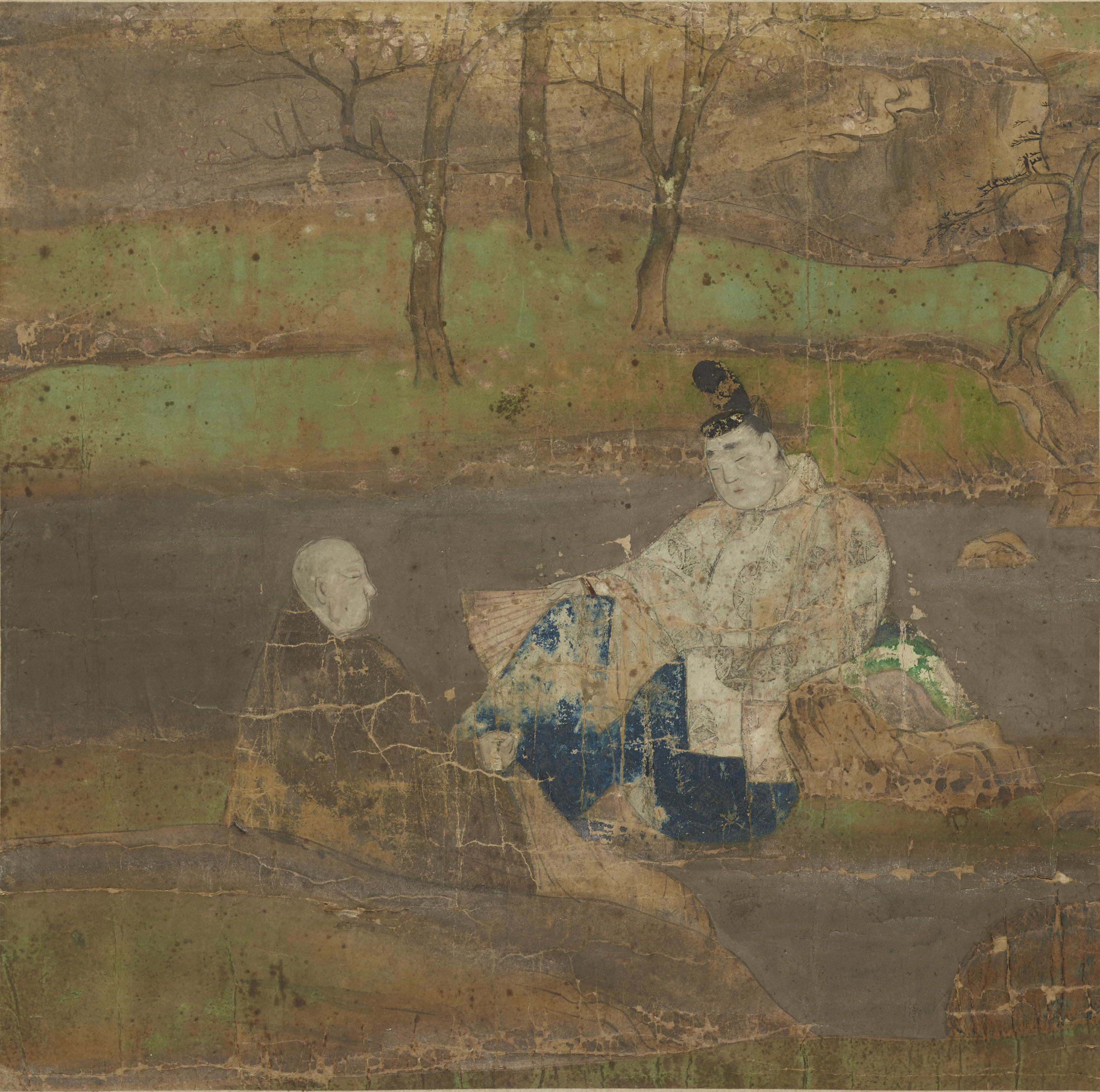
This museum houses a single fragment of the work. Originally part of a private collection, it was identified in the late 20th century as a section of the "emaki". This specific piece corresponds to the chapter 5, depicting a scene where Genji bids a sorrowful farewell to a monk.
It is said that other small fragments remain in the possession of anonymous private owners. Why not take a moment to reflect on the journey this "emaki" has undertaken over the course of a thousand years?